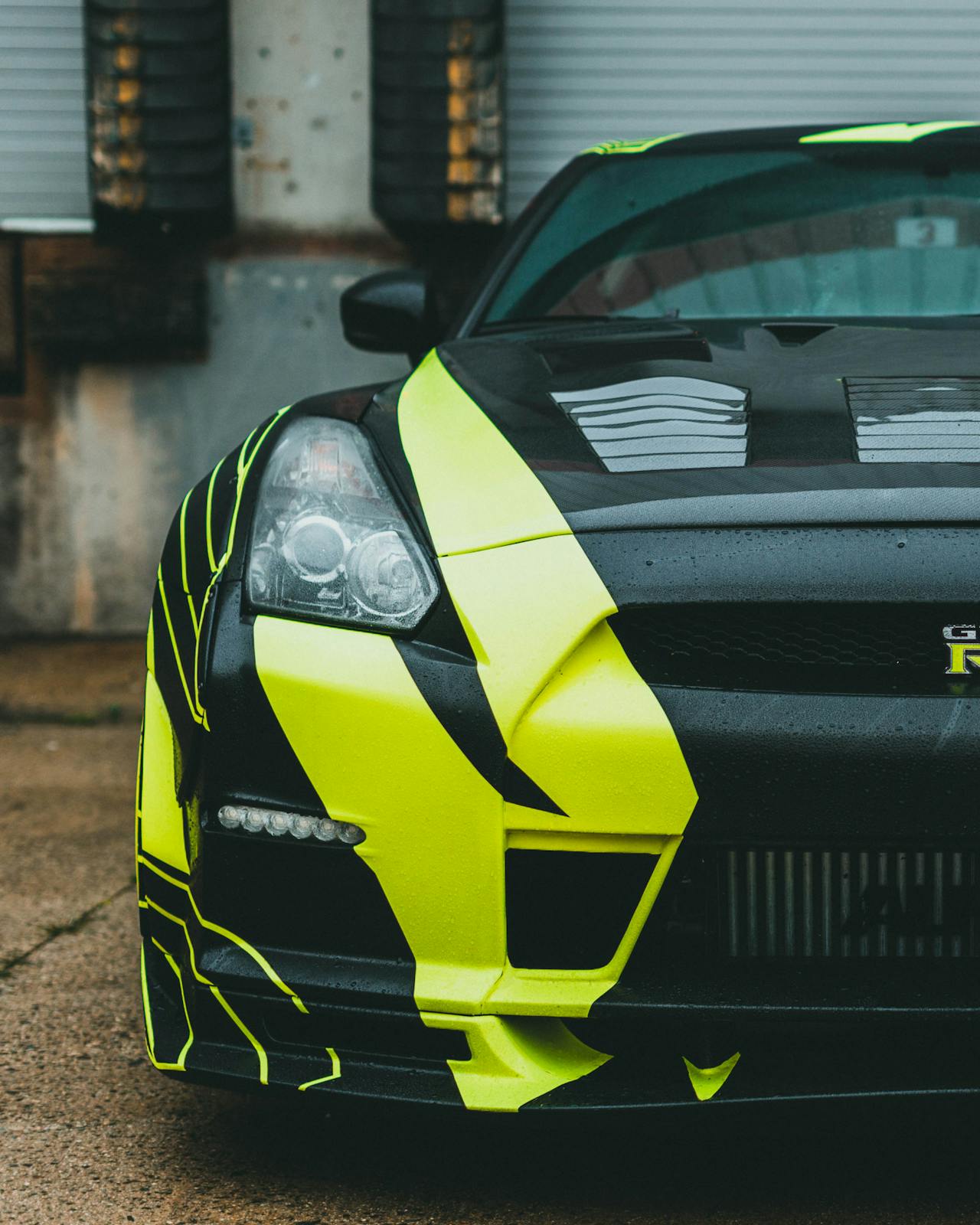
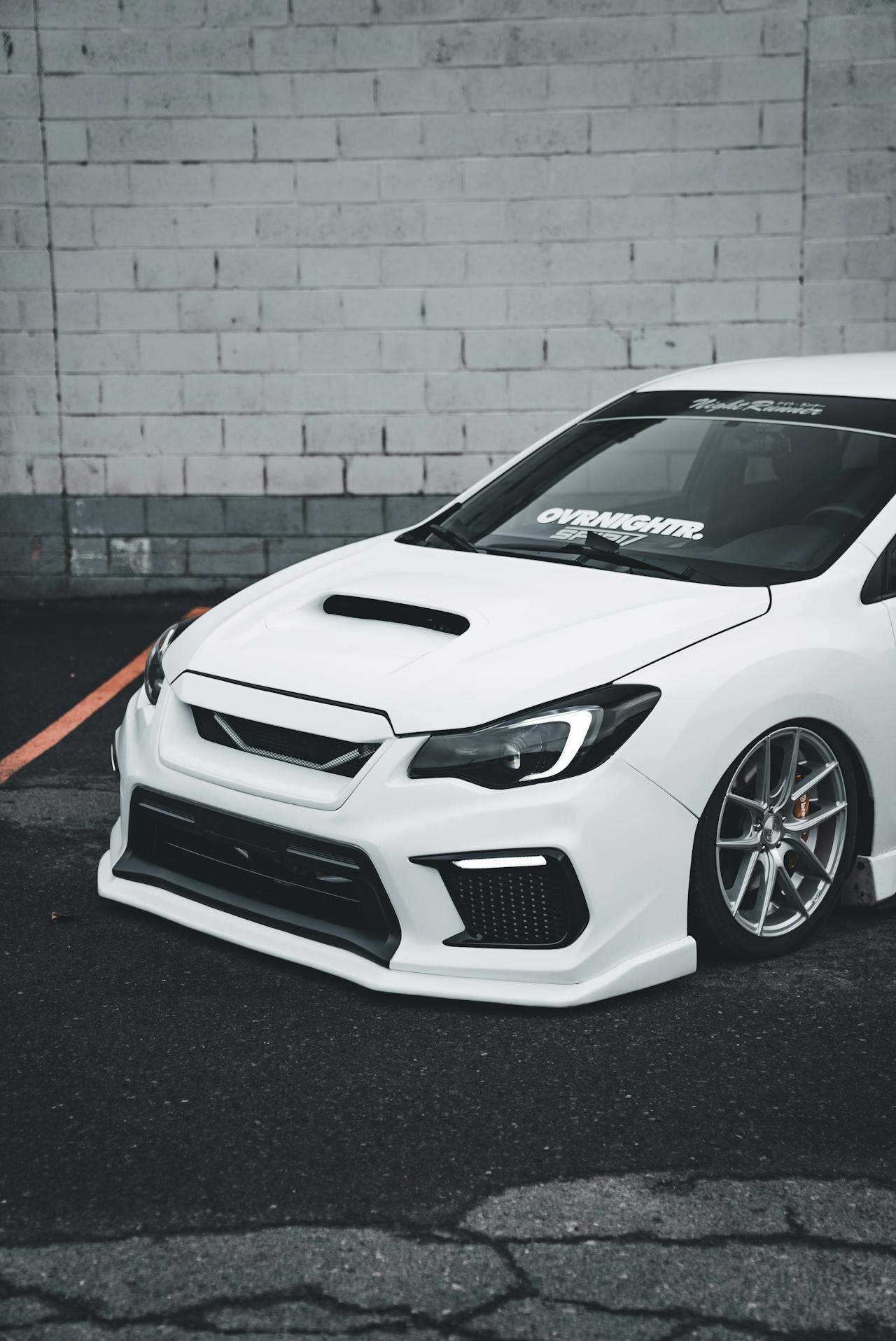
Types of car body kits
Most UK builds land in one of three buckets: lip kits, full replacement kits, or widebody kits. Your choice should reflect how the car is used (daily, show, track), your tolerance for maintenance, and how much fabrication you’re comfortable paying for.
Lip kits (splitters, add-ons)
Lip kits attach to the existing bumper/skirts. They’re the best “first mod” because they’re cheaper, easier to revert, and typically require less paint blending.
Full replacement kits
These replace bumpers and skirts entirely. You’ll get the biggest visual change, but expect more prep work, alignment time, and a higher paint bill.
Widebody kits
Widebody kits extend the arches. They’re often chosen to run wider wheels/tyres, but they can require arch cutting, sealing, and careful panel bonding to prevent cracking.

Fibreglass vs polyurethane vs carbon
Material choice affects fitment, durability and long-term happiness. In the UK, the most common materials are fibreglass (FRP) and polyurethane (PU). Carbon fibre is typically used for splitters, wings and some premium panels.
| Material | Pros | Cons | Best for |
|---|---|---|---|
| Polyurethane (PU) | Flexible, survives daily use | Can sag if poorly supported | Daily drivers, lip kits |
| Fibreglass (FRP) | Light, sharp shapes, common | More prep; can crack on impacts | Show builds, budget full kits |
| Carbon fibre | Lightweight, premium finish | Expensive; damage can be costly | Track aero parts |
Tip: if you drive the car every day, PU (or quality ABS) usually causes the fewest headaches.
How kit styles look in practice